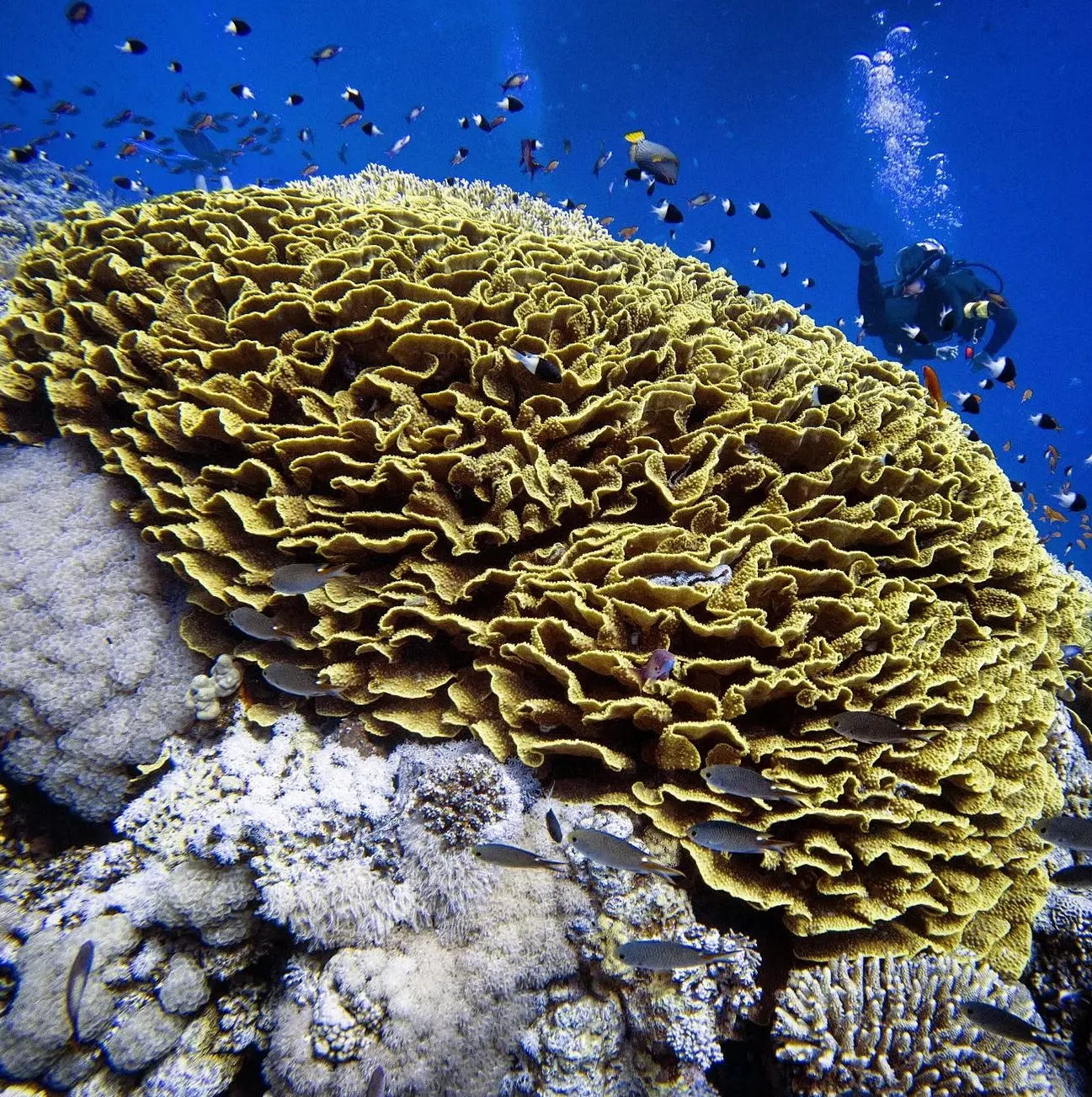
People often ask me How Many Corals Live In Australia’s Giant Reef System? as if I’ll magic up a tidy little number like I’m counting freshly baked pies at the servo. But the Great Barrier Reef isn’t about precise numbers – it’s all about scale, movement and an ecosystem so alive you can almost hear it thrumming beneath the waves.
After years of guiding trips right across this marine reserve — from the fringing reefs around the Whitsundays to the coral cays drifting out towards the Coral Sea — I’ve learned the reef isn’t something you need to count. It’s something you feel your way through, like reading the wind on the horizon or the ridges of a red dirt track.
Understand the Reef’s True Nature

Before you even think about trying to list out the different coral species, you need to know what the heck you’re counting. Corals are animals – tiny coral polyps building shells out of calcium carbonate. These shells stack up over time to form the whole foundation of the reef ecosystem – layer upon layer of limestone, like some kind of natural sculpture.
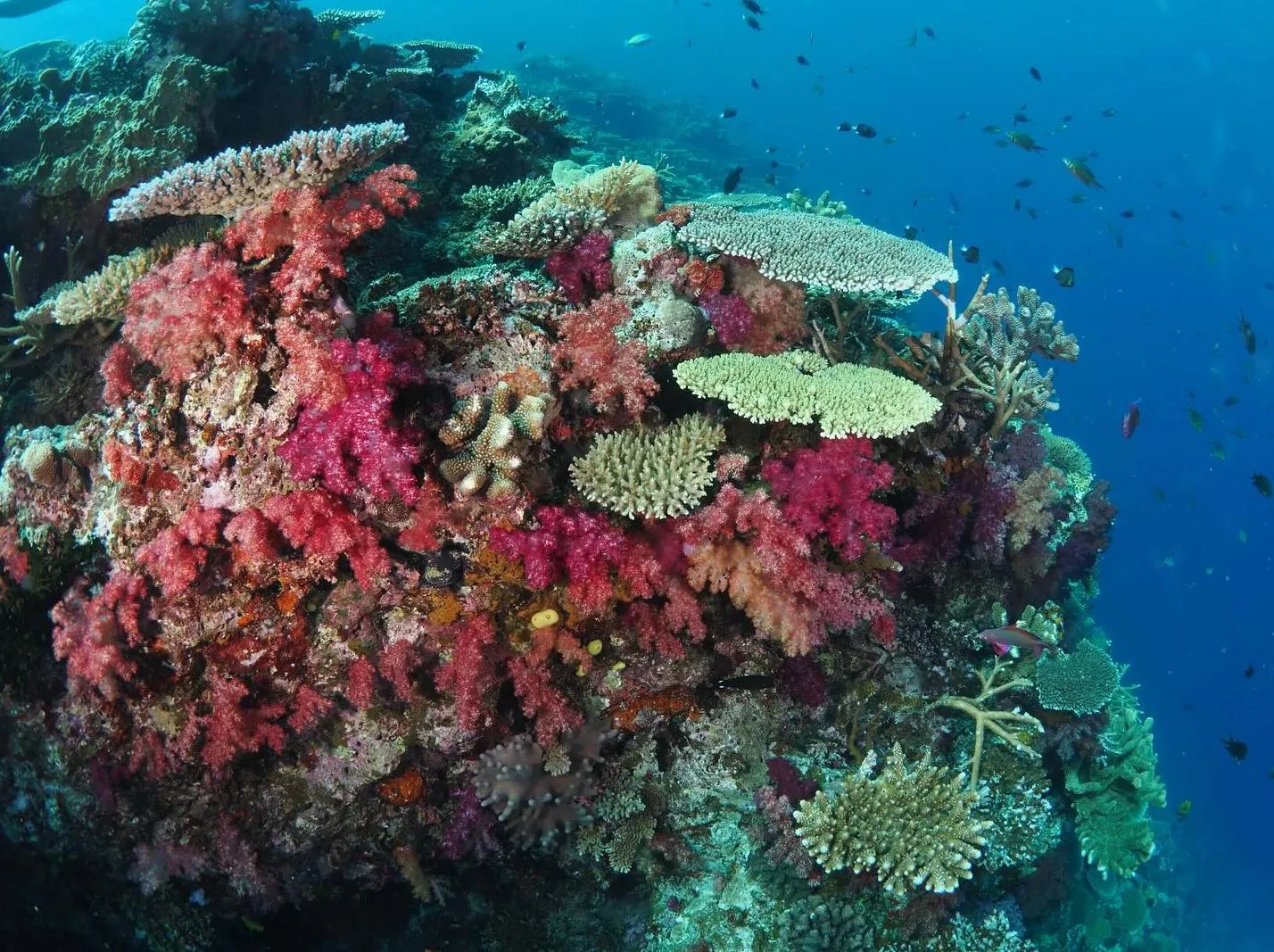
Hard corals make up the skeleton of the reef – the bits that form the massive framework of the coral reef system. Soft corals, on the other hand, are the show-offs: all wavy, colours and full of character, really setting the tone with the water.
If you take a close look (and I mean, really take a close look – no fogging, no mess on your mask), you’ll see :
- Polyps munching away
- Fish scraping off whatever it is they eat
- Coral bits are fusing and growing
- The slow, steady growth of the coral makes the Great Barrier Reef a living, breathing city of the sea
When scientists talk about coral bleaching, coral death rates or coral rubble, they’re talking about the health and balance of the whole system. And with the risk of mass bleaching events rising & rising, thanks to marine heatwaves, the reef’s resilience is more crucial than ever.
Understanding the Reef’s Main Builders
Marine science teams – including those working on the long-term monitoring program run by the Great Barrier Reef Marine Park Authority – reckon there are well over 450 coral species of hard coral and more than 100 species of soft coral throughout the Marine Park. – That’s not counting individual coral colonies, which would be impossible to even begin to quantify.
Here’s the lowdown on coral basics to help you wrap your head around it:
Hard Corals – The Structural Superstars
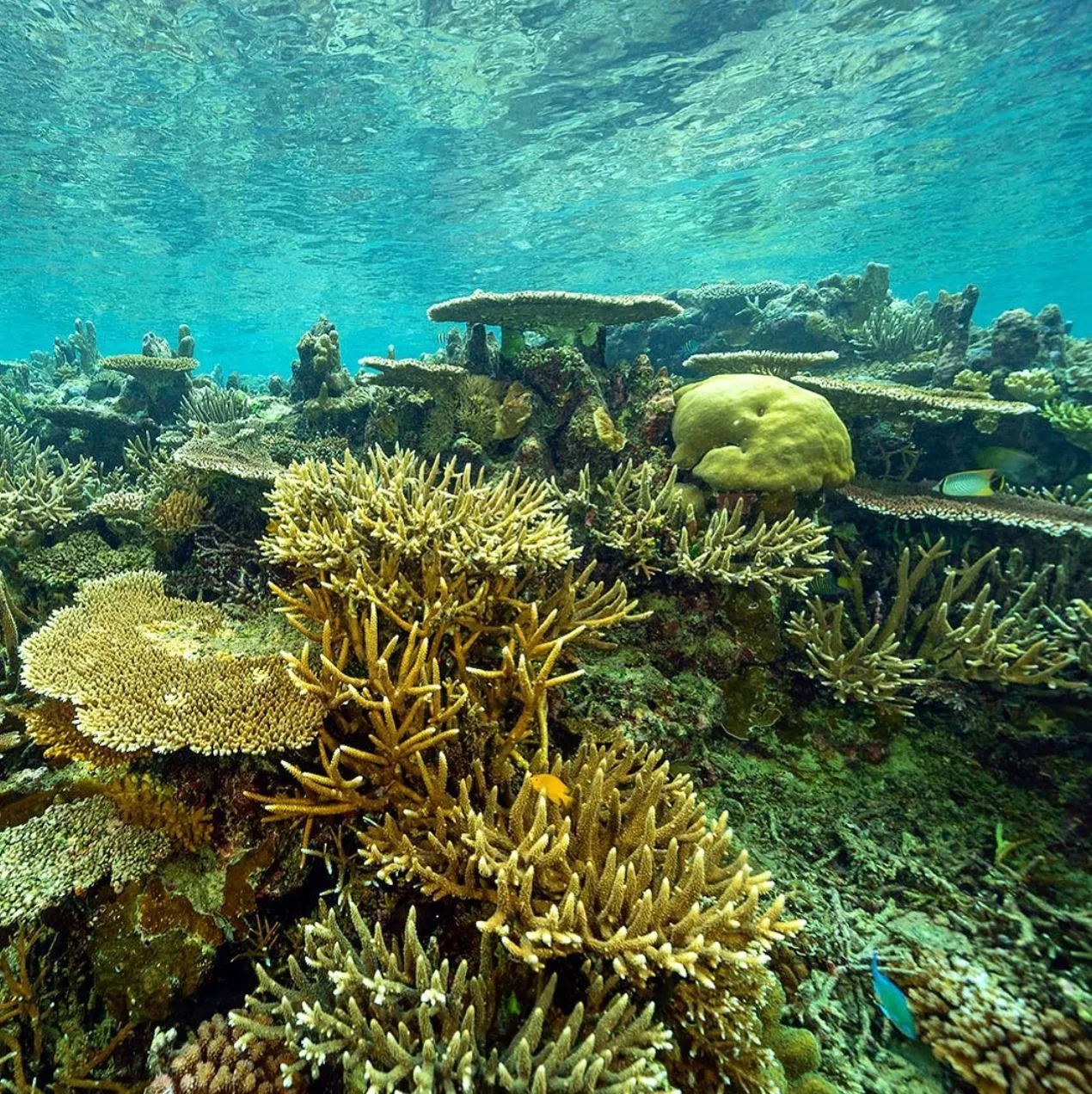
These blighters are the civil engineers of the coral reef world. They build massive skeletons that define the shape of the reef
Common forms that you’ll come across are:
- Brain coral – it looks like something from a sci-fi lab, pretty wild
- Staghorn coral – it’s like a turbo-charged branching tree that marine turtles love to snuggle up in for shelter
- Table coral – think dramatic, plate-like structures that are like giant reef dinner plates that attract fish by the dozen
- Massive Boulder Forms – slow growers, but as tough as they come
Soft Corals – The Underwater Swaying Grasslands
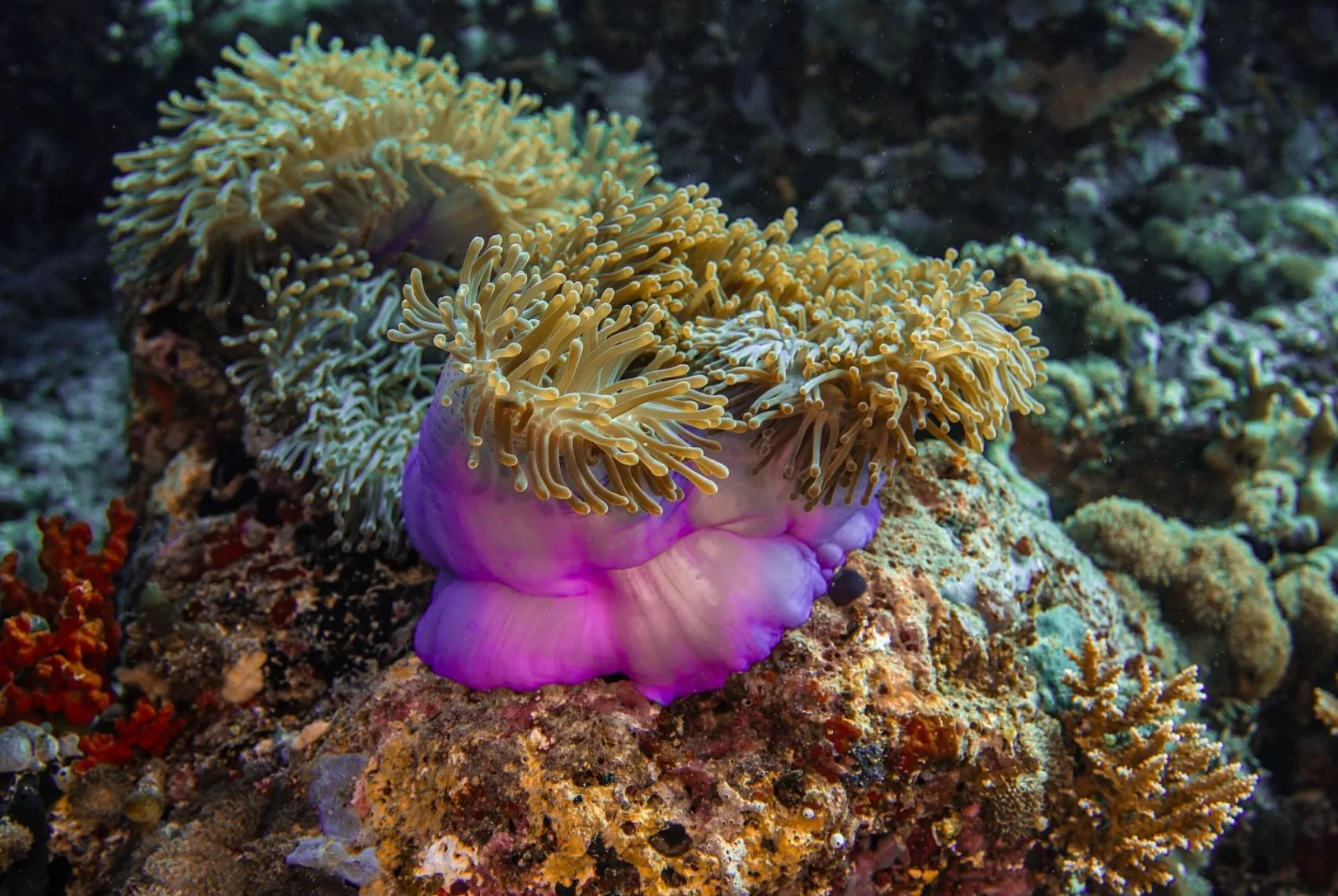
Soft corals don’t build skeletons at all; instead, they just sway gently in the currents
Check out these examples:
- Sea fan coral – delicate looking but super pretty, like an underwater fan
- Whips and Trees – they come in brilliant colours like purples and reds, and are as pretty as a rainbow
- Mushroom corals – these are one of the only corals that can actually move across the sand – I mean, how cool is that?!
Understanding what makes these corals tick is super handy when you’re looking at coral health charts or trying to work out why some reefs are recovering faster than others.
The Living Reef Forms You’ll Actually See
You’ll rarely be able to match a species name to every single odd-shaped blob you see down there (I still get stumped sometimes!), but here are some familiar faces to keep an eye out for:
Organ Pipe Coral
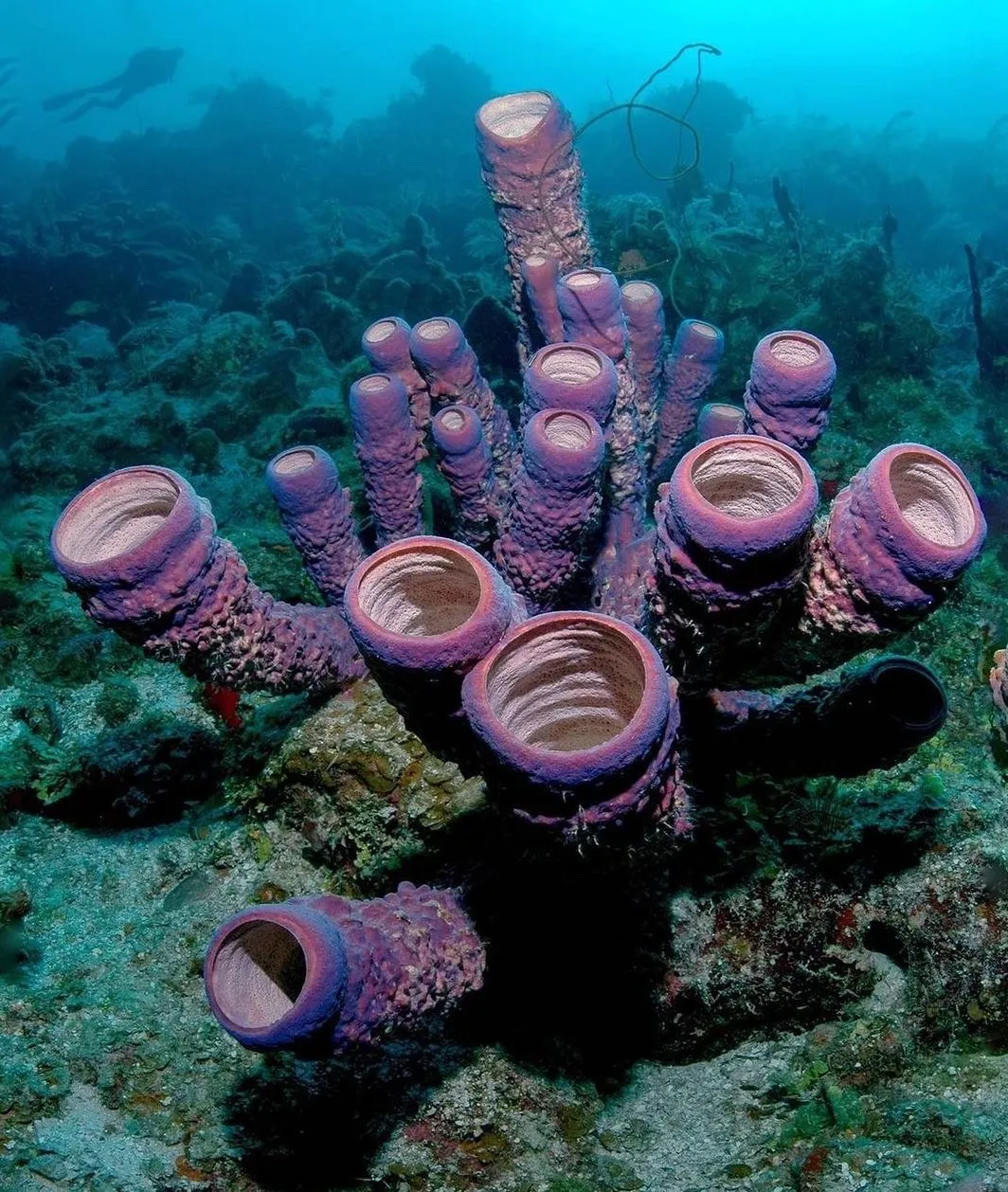
At first glance, this coral might not be doing much, but then you notice its bright red skeleton – and it turns out it’s got a whole bunch of tiny polyps living in there. Almost like a secret underwater pipe organ!
Flowerpot Coral
These look like plants that have suddenly been transplanted down to the reef floor. The star-shaped polyps pop out during the day, which makes it a great one to spot on a snorkelling trip because it just sits there swaying and showing off.
Smooth Cauliflower Coral
Nice-looking rounded shape, with just a hint of lumpy-ness and pretty in a way that’ll catch you off guard. I once spotted one of these near Moore Reef, and my first thought was that it looked like a brain coral that had softened up a bit.
Hump Coral
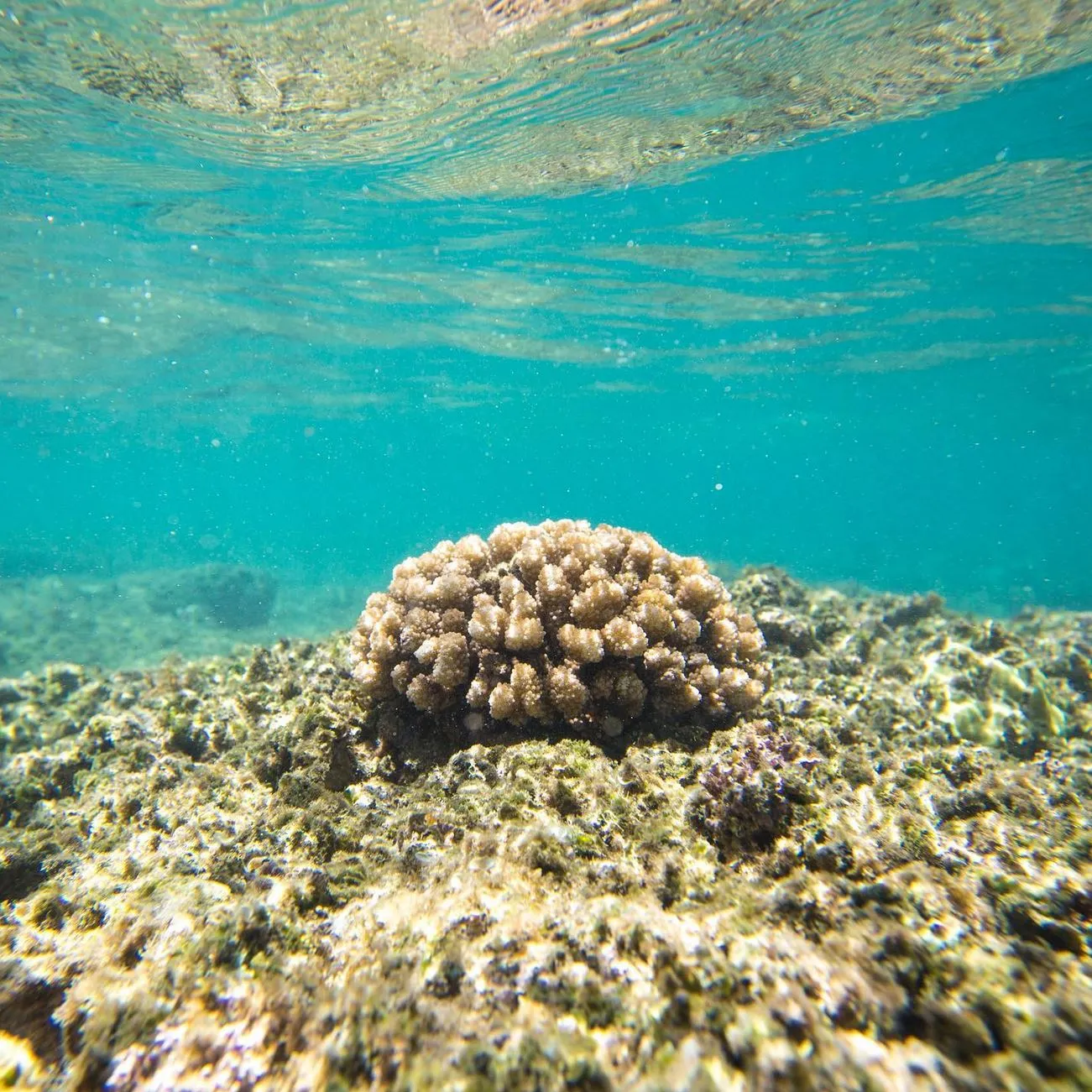
Stocky, strong and bulging out with fish hiding in every nook and cranny – these corals are the life of the reef party. Spot them in both shallow and deeper water sections
Finger Coral
Stick-like corals grow upright in clusters that’ll leave you wondering how on earth these managed to grow up there in the first place. Young fish love hiding out here
Honeycomb Coral
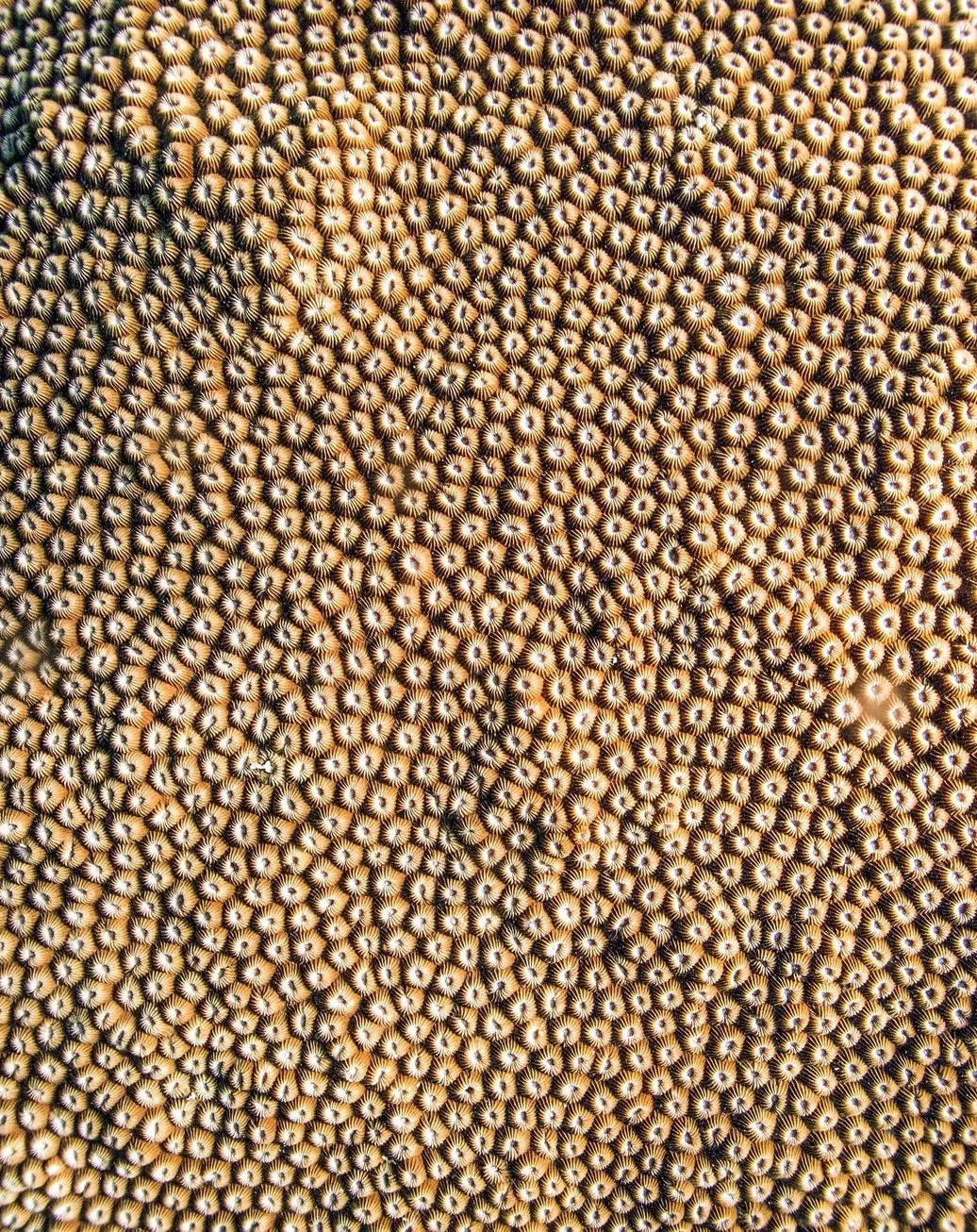
Its name says it all – these are just plain perfect examples of geometric perfection. The closer you look, the more hypnotic the pattern is
Common Mushroom Coral
This one’s a bit of a standout – it can actually move itself about across the sand when it wants to – yeah, it’s a real mover. One of the few corals that can just pick up and leave when the mood takes it.
Spawning Event — Nature’s Biggest Confetti Drop
Every year on or around the November full moon, the reef finally lets rip. Coral larvae drift through the water in a wild mass-coral spawning event. If you’ve never seen the Coral Sea looking like a sea of floating jelly-like bundles, well, just imagine someone – Mother Nature probably – giving the biggest snowglobe on the planet a good shake.
This annual spawning is really important because it:
- Helps get the reef back on track after a bleaching
- Keeps the coral diversity healthy
- Ensures the long-term health of staghorns, tables, mushrooms and brain corals
It’s a pretty mind-blowing moment when you get to see the reef as more than just a nice picture postcard – it’s a living, breathing creature with its own internal clock and rhythm.
How to See the Living Reef Up Close
You don’t need a diving cert to get into the whole coral reef experience. Still, you should come with some reasonable expectations – especially when the weather gets terrible, or we’re in the middle of a marine heatwave.
Snorkelling Around Cairns and Port Douglas
Calm waters, loads of coral, heaps of hard corals – like staghorn and table formations. Many tours include reef health checks led by staff who know what they’re talking about.
Taking A Liveaboard Out To The Outer Reef
If you really want to see some amazing coral growth and diversity, head out to the outer reef. You’ll get to see some seriously impressive sea fan coral, brain coral domes and more.
Walking The Reef At Low Tide On A Coral Cay
At low tide on a coral cay, you get to see all the sea life that lives on the reef flats – including soft corals, marine plants, coral bits and more.
Get The Lowdown From A Reef Guide
The best insights come from people who’ve been watching the reef for years. Many tour operators now share their data from the long-term monitoring program so you can get a real understanding of the reef’s health – not just how pretty it looks.
What Does This All Mean for Your Trip
When you finally get it – the Great Barrier Reef isn’t just one place, it’s a living, breathing ecosystem that’s always in flux – you start to travel differently. You start to see the reef’s skeletons under the new growth, you get why some bits are bleached, and others are doing okay, and you start to see your role in all of it – to travel with respect, follow the rules, give the wildlife some space and support people who really care about the reef.
And if you’ve got a favourite coral encounter that has stuck with you (mine is still the hawksbill turtle finding its way through the table coral like it was cruising a carpark) send it my way – I’m always collecting new stories to add to the Great Barrier Reef Tours family.
FAQ
How many coral species live in the Great Barrier Reef?
A bit over 450 hard coral species and around 100 soft coral species, according to all the long-term marine science data.
What generally affects coral health the most?
Marine heatwaves, poor water quality, coral bleaching, storms, and any damage from boats or people who aren’t careful.
Are all corals hard corals?
No – soft corals are everywhere in the Great Barrier Reef and do a bunch of really important work too.
How do scientists measure coral cover?
By using standardised Reef health monitoring and the Long-Term Monitoring Program to track growth, mortality, and recovery over time — essentially measuring coral cover and how it changes.
Can travellers see coral spawning?
You can — if you’re lucky and time your trip around the November full moon and warm-water conditions.