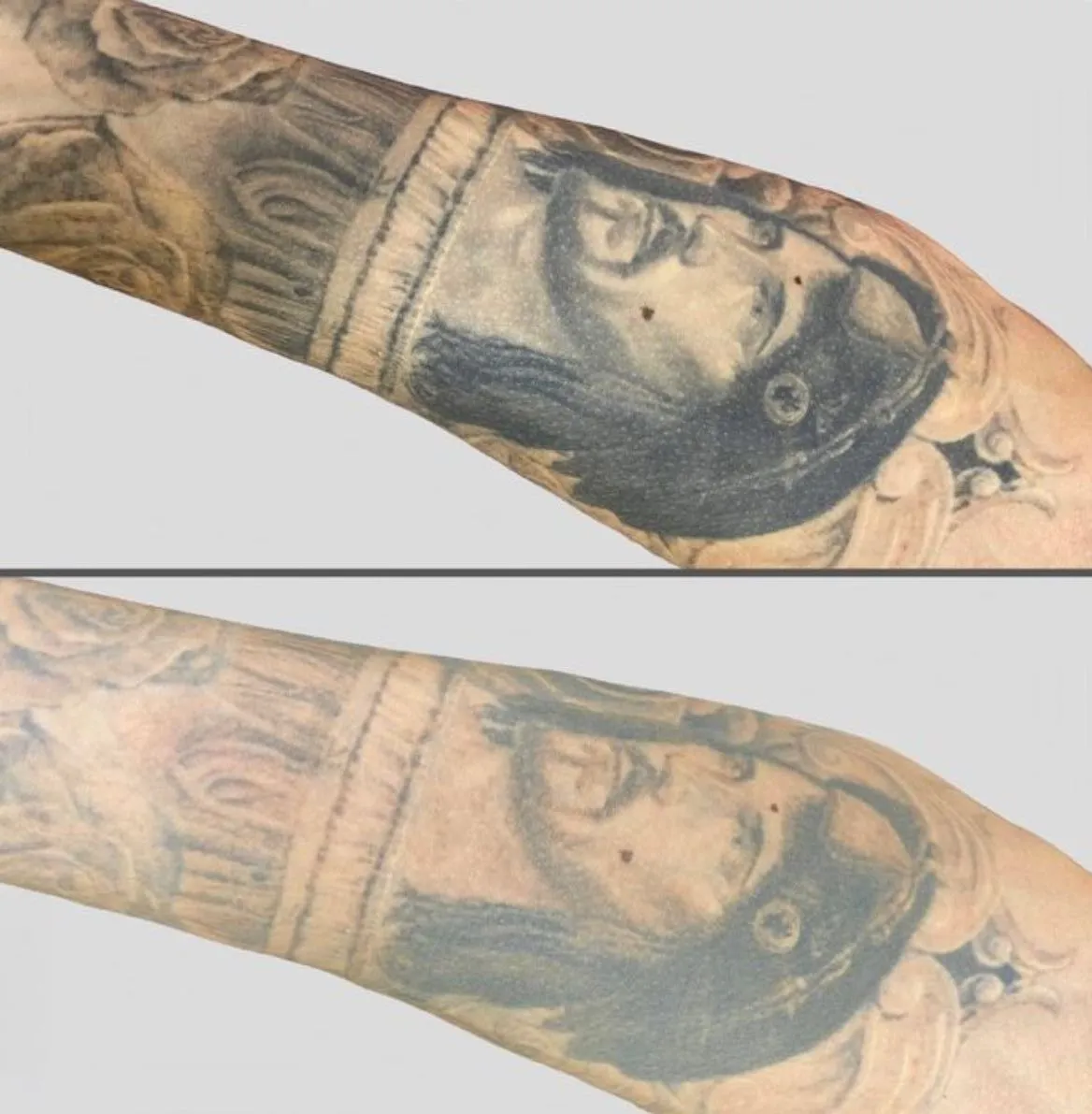
In most instances, the procedure of laser tattoo removal is safe. A particular problem occurs in some cases where alteration to the pigmentation of the skin happens quite a lot, and this varies according to the type of skin and the colour of the skin’s surface. Therefore, developing the necessary understanding of laser tattoo removal and factors affecting skin pigmentation while performing the procedure is essential in ensuring better outcomes and reducing undesired effects. In this article, we will discuss the process of laser tattoo removal, the response of various types of skin, and the types of diseases of pigmentation like hyperpigmentation and hypopigmentation that may occur will be discussed.
How Laser Tattoo Removal Works
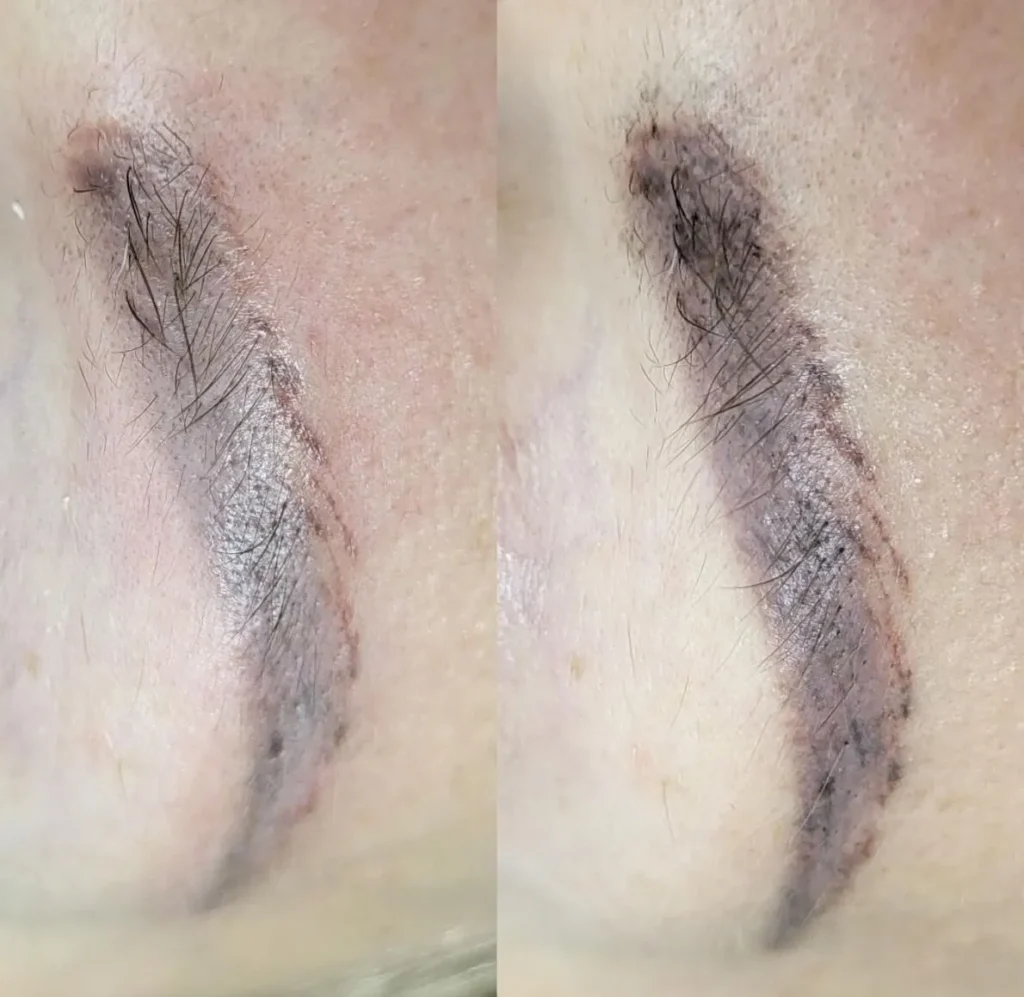
Among all the techniques for removing tattoos, those that rely on laser use have gained quite some popularity. During treatment, the laser light gets absorbed by the tattoo ink and causes it to shatter into many smaller particles. At this stage, smaller-sized ink particles are released and eventually washed away by the patient’s immune system. The kind of laser used, whether q-switched lasers or picosecond lasers, does determine the safety and effectiveness of the process.
Laser treatments can be modified according to the shades of the tattoo ink and the depth of the ink ingress. Usually, to achieve the desired outcome, a person is treated many times, and treatment can cause adverse reactions like redness and soreness of the skin for a while, normally responding to control measures.
How Different Skin Types Affect The Removal Process And Its Effects On The Skin
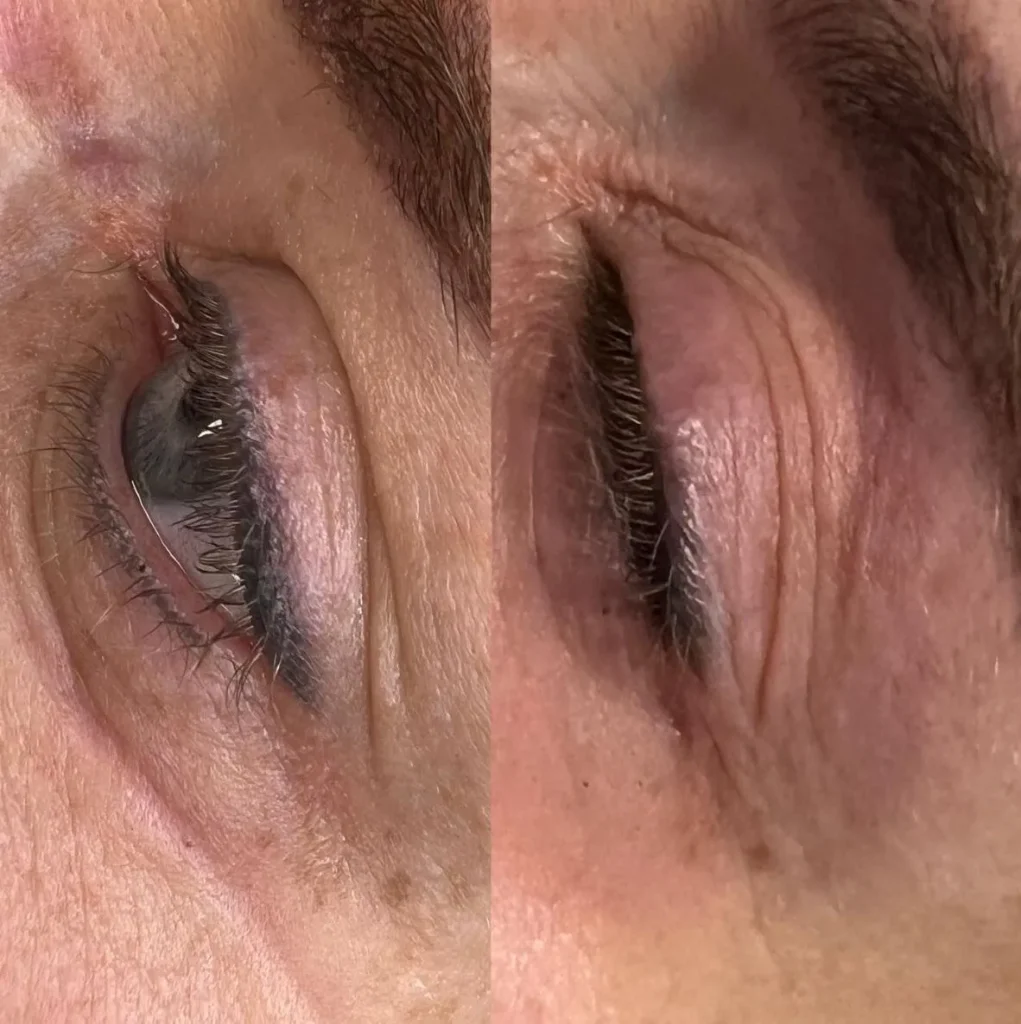
Skin color and type also play an important role in the tattoo removal technique selected and its effect on skin color. For one, the fairer skin types usually have low levels of the pigment melanin and they do not suffer from unwanted pigmentation changes as a result of laser procedures. On the other hand, individuals with the darker skin types have high levels of the melanin which blocks the laser beam increasing likelihood of the unwanted pigmentation changes.
Table: Impact of Skin Types on Laser Tattoo Removal
| Skin Type | Impact on Laser Tattoo Removal | Potential Pigmentation Issues |
|---|---|---|
| Light Skin | Less melanin absorption, lower risk of pigmentation changes | Mild to no pigmentation issues, but possible hypopigmentation |
| Medium Skin | Moderate melanin absorption, balanced risk | Potential for mild hyperpigmentation or hypopigmentation |
| Dark Skin | High melanin absorption, higher risk of pigmentation changes | Greater risk of both hyperpigmentation and hypopigmentation |
What is Hyperpigmentation and Hypopigmentation?
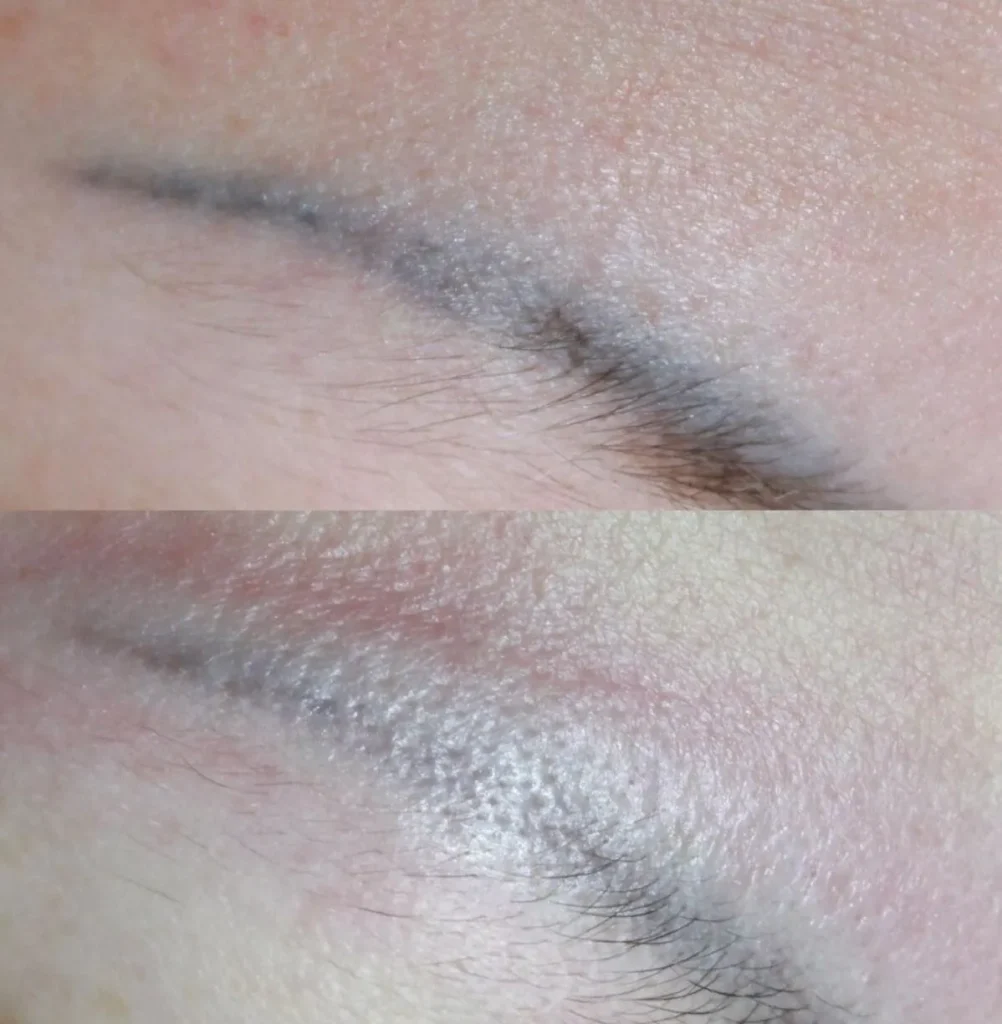
Hypopigmentation
Hypopigmentation occurs when the skin loses its colour, leading to the formation of white areas. This can be due to the destruction of melanocytes, which are the cells that give the skin colour. Although less frequent than hyperpigmentation, hypopigmentation is also very disturbing and may require procedures to correct or unify the skin tone.
For the case of hypopigmentation, available treatment options include topical creams that enhance the production of skin pigment or microneedle which help in the restoration of the pigment production after some time. One should adhere to the laid skin care procedures and seek professional help from a dermatologist who can give personalized recommendations.
Hyperpigmentation
Hyperpigmentation is a skin condition where there is excessive pigmentation, making certain areas of the skin darker than normal. This Inflammation or trauma in the skin, which has been treated using laser, shapes the skin’s responses to treatment.
With regards to hyperpigmentation, one is encouraged to perform proper sun protection, apply and reapply sunscreen, and stay out of direct sunlight as much as possible. Chemical peels, lasers, or topical lightening agents are also used to target dark areas.
Common Pigmentation Disorders And The Associated Effects
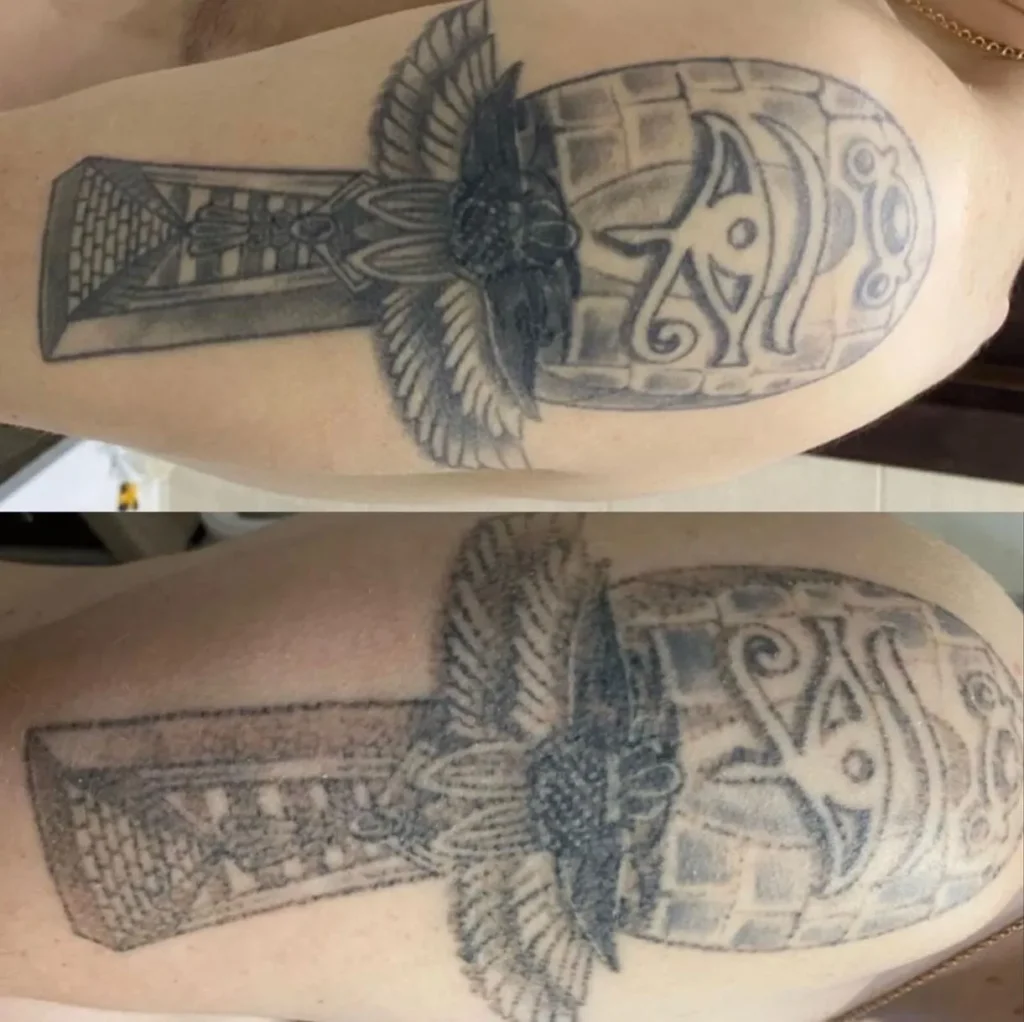
Tattoos can be removed or modified through laser, making this procedure popular among many people. However, various pigmentation disorders and other negative effects may also occur.
Risk of scarring: Scarring is a relatively uncommon side effect during the healing process after laser tattoo removal, but it still ranks among the bothersome effects. This might happen if there is excessive tissue damage in and around the tattooed area. Some of the risk factors for the development of hypertrophic scars include the type of laser used, the experience of the artist, the depth of the dyschromic lesion, and the healing characteristics of the individual patient.
Allergic Reactions: Although rare, some individuals may show allergic reactions to the procedure. Such adverse effects may arise from the laser that was used in the treatment or from the ink itself used in the aseptic tattoos. Those who are affected may develop a rash, abnormal redness, itching or swelling around the area that had the therapeutic procedure.
Inflammatory Reactions: Inflammatory reactions are seen and differ in intensity. Redness, swelling and irritation at the treatment site are generally some of the inflammatory reactions witnessed with laser. The redness usually decreases as the skin heals.
How Can I Protect My Skin Before and After the Tattoo Removal Process?

It is of utmost importance to protect the skin properly prior to and after laser treatment tattoo removal to reduce complications and enhance healing. This can be achieved through the following measures:
Choose a Qualified Artist: The journey of having a successful laser tattoo removal procedure begins with a qualified and competent service provider. Ensure that the laser provider brings the latest laser technologies like Q-switched and picosecond lasers that have minimal side effects and will satisfactorily remove the tattoos.
Use of a Broad Spectrum Sunscreen: It is very important to apply a broad spectrum sunscreen with maximum spf on the area that has been treated. Exposure to the sun after treatment may worsen existing pigmentation problems and also delay healing.
Mild Water Use: Hot showers, for instance, cause dilation of blood vessels and in effect there is increased blood flow to the area that was treated which will worsen the irritation and inflammation. It is good practice to take showers using lukewarm water and not to scrub the skin hard.
Adhere to Guidelines: The prescriptive aftercare regime provided by your laser technician should be strictly followed. It may entail the use of specified creams, cutting down on specific activities and the need to report back for additional reviews. The proper aftercare measures prevent the occurrence of skin problems but also facilitate the proper healing of tissues.
Conclusion
While tattoo removal through laser treatment is effective in getting rid of unwanted tattoos, there is a need to keep in mind some factors. These parameters, in addition to the ink colour tattooed, the lasers used, and skin type, are major determinants of results. The right after-care procedures will not only assist one in avoiding such adverse effects but will also enhance the desired outcome of the procedure. Placing reliance on seasoned practitioners and their medical instructions will go a long way in achieving the intended results of tattoo removal.
FAQ
How does laser tattoo removal affect skin pigmentation?
The most common pigmentation changes after laser tattoo removal procedures include hypo and hyperpigmentation. This is attributed to disturbance of normal distribution and production of macrophages for melanin in the skin.
What unwanted effects are likely to occur after laser tattoo removal?
The most commonly reported side effects are skin pigmentation, transient erythema and edema, scarring, and, in a few instances, some combination of allergic or inflammatory reactions.
How do I avoid pigmentation complications following the laser tattoo removal process?
Pigmentation complications may be avoided by practising caution during aftercare, using sunscreen to protect the skin from further UV damage, and avoiding exposure to extensive hot water while showering. For customized recommendations, check with your laser technician.
Is there a way to treat pigmentation associated with laser tattoo removal?
Absolutely, pigmentation can often be resolved with creams, medications or by modifying the technique of laser treatments. Expert advice is available to help resolve these issues.
How many sessions does it usually take for a tattoo to be removed entirely?
The number of sessions needed is based on the size, colour, and location of the tattoo.