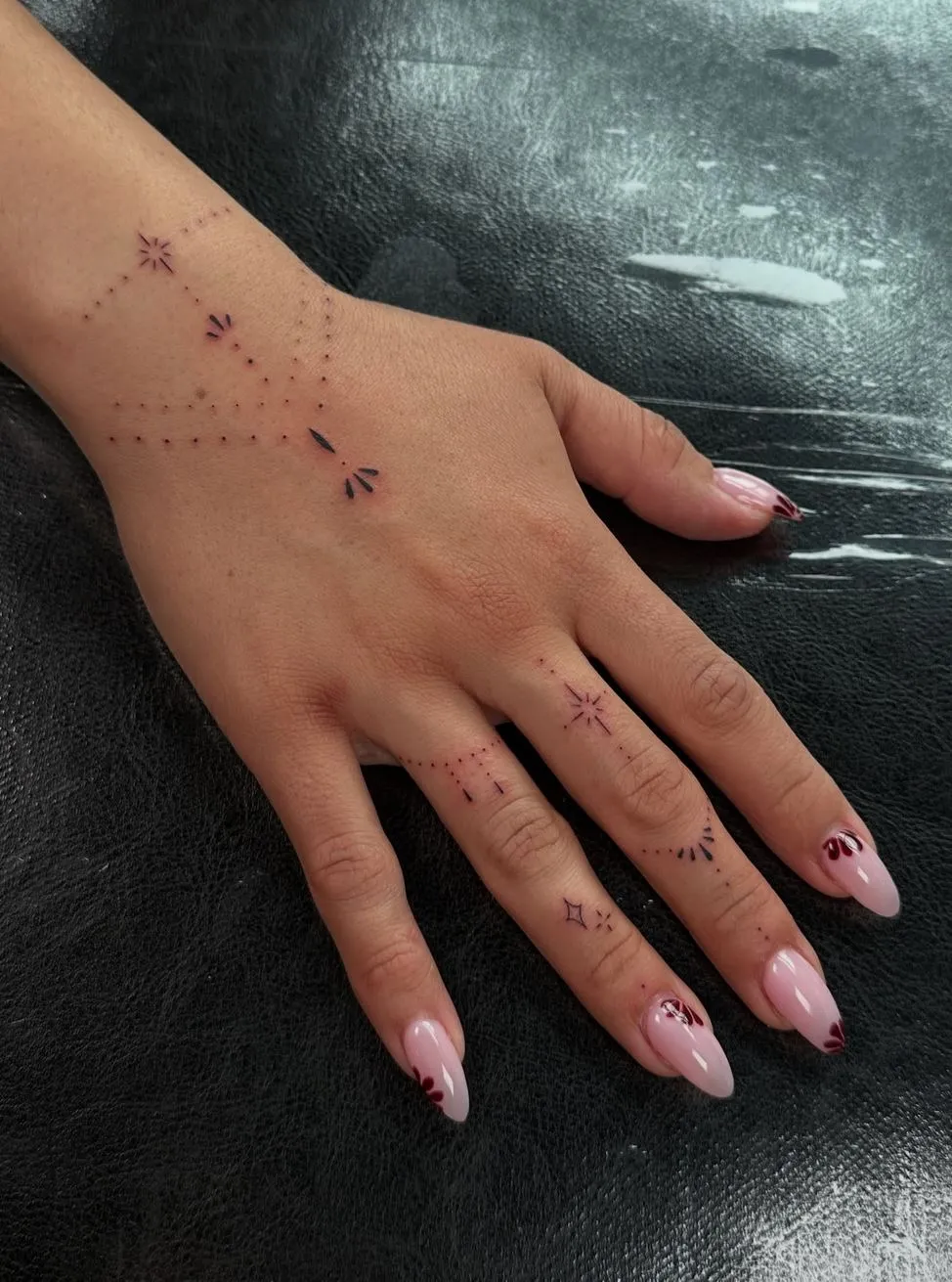
They’re dainty, discreet, and all over your feed — but before you book in for that tiny script on your ribcage, let’s talk about what a fine line tattoo is really like once the camera’s off. As a beauty pro who sees skin up close (and I mean magnifying lamp close), I’ve had a front-row seat to the good, bad, and regretfully blurry.
If you’re considering a fine line tattoo in Brisbane, Cosmetic Tattoo Brisbane Studio Face Figurati is one of the few places I trust to deliver the kind of precision this style demands. Their work with delicate lines and intricate designs reflects both technical skill and true artistry.
Spoiler: Not all ink ages like fine wine.
Below, I break down the hidden downsides of fine line tattoos, backed by real studio stories and what we’re seeing in 2025 across skin types, body placements, and tattoo trends.
What You Should Know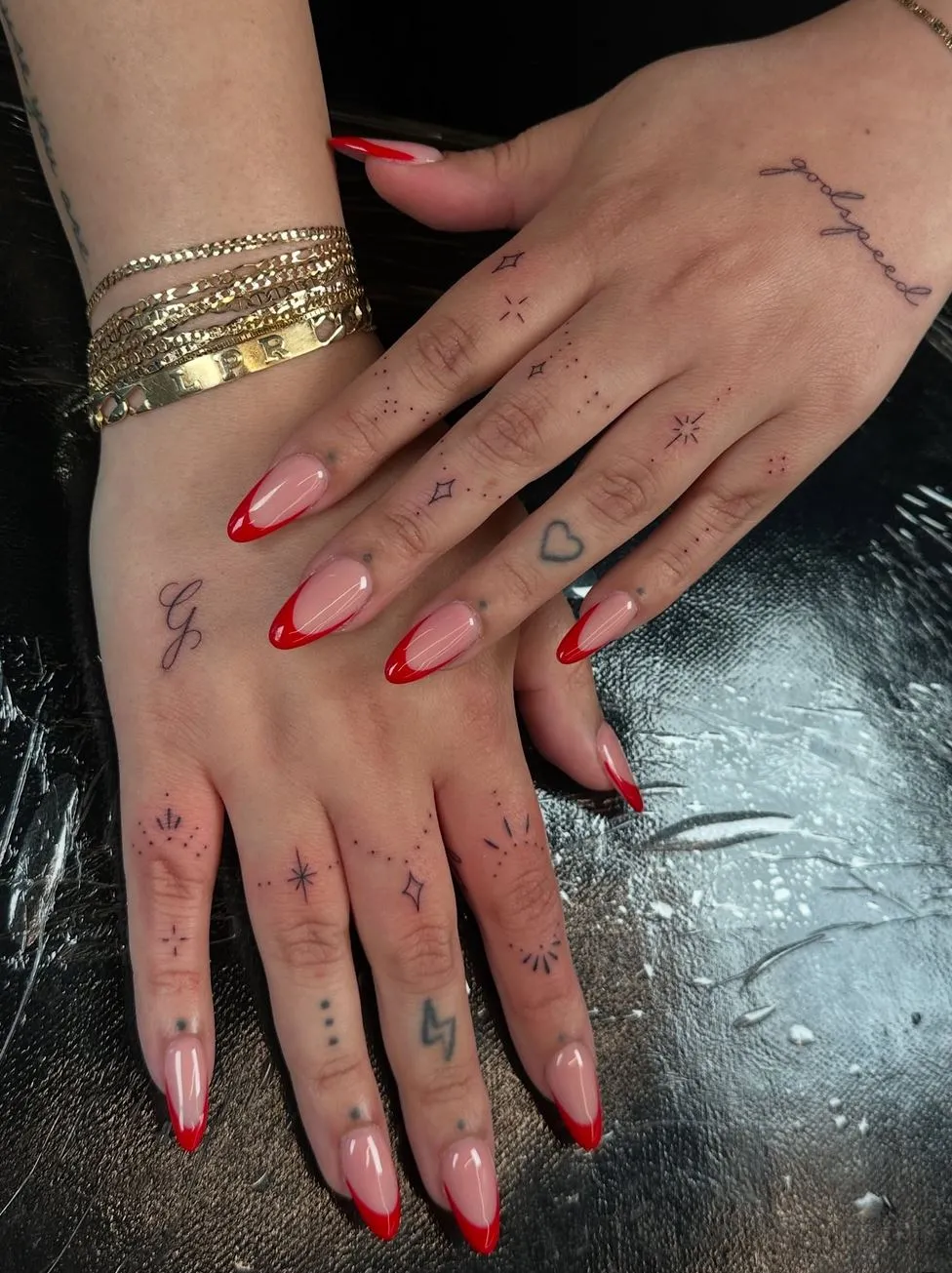
A fine line tattoo — often a popular choice for those seeking a minimalist design — is created using a single needle or very few needles to achieve delicate, minimalistic lines. Unlike bold traditional tattoos, these lean on subtlety: thin outlines, tiny scripts, floral designs, intricate designs, minimalist tattoos — often in black or grey tattoo ink.
They’ve exploded on Instagram and TikTok thanks to celebrities, clean aesthetics, and the promise of ‘timeless elegance’. But elegance doesn’t mean zero upkeep — especially given the delicate nature of these designs.
The Pros First (Yes, There Are Some!)
- Low visual weight — ideal for a subtle look or first-timers
- Customisable size — perfect choice for dainty areas like fingers or behind the ear
- Trendy and modern — great if you’re chasing an understated aesthetic
- Great for flower options — think a micro flower tattoo or rose tattoo
A fine line tattoo can be a great entry point for anyone new to ink or wanting something with an elegant appearance.
That said, if you’re in it for longevity and clarity, keep reading.
Disadvantage #1: They Don’t Always Age Well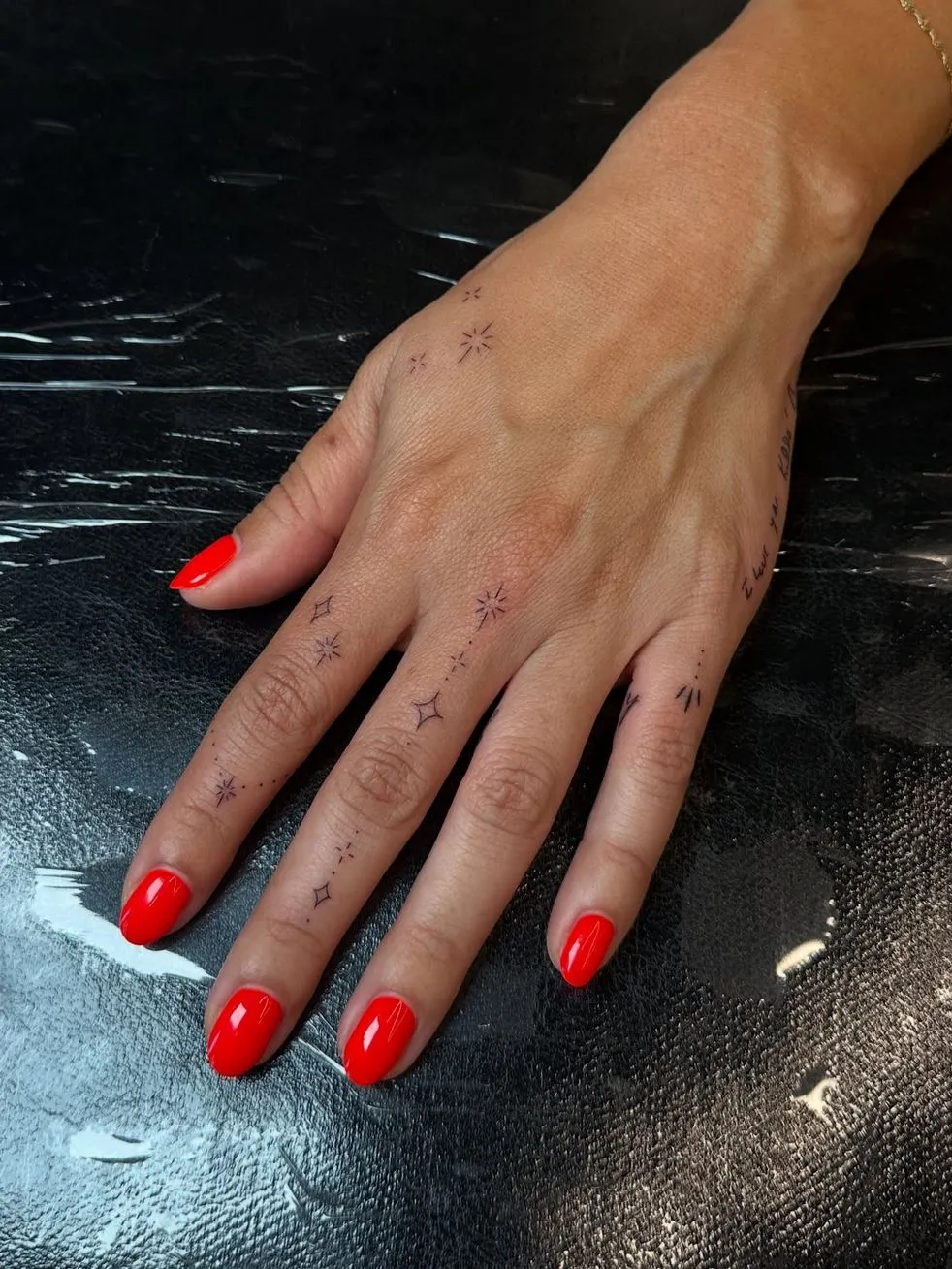
Here’s the truth: fine lines tend to blur, fade or spread faster than bold designs — especially on areas with lots of friction, dry skin, or movement.
Why? Less ink = less staying power. Thin lines break down faster as the body metabolises the pigment — a major factor in tattoo fading.
Common problem areas:
- Fingers
- Inner wrists
- Ankles
- Ribs (thanks, bras)
Real talk: I’ve had clients come in two years after getting a tiny, simple fine line tattoo on their wrist, and it’s already looking like a smudge. No shame — just biology and friction.
Disadvantage #2: Not Ideal for All Skin Types
Here’s where we need to talk about melanin, sensitive skin, and healing.
A fine line tattoo is often designed with pale or evenly-toned skin in mind. On deeper or textured skin types, subtle or precise lines can:
- Heal unevenly
- Disappear completely
- Create scar-like effects if done too shallow
Oily or dry skin can also break down fine detail faster. Same with mature skin, which tends to lose elasticity and firmness — two things those delicate lines need to stay crisp.
Disadvantage #3: They Can Be Harder to Touch Up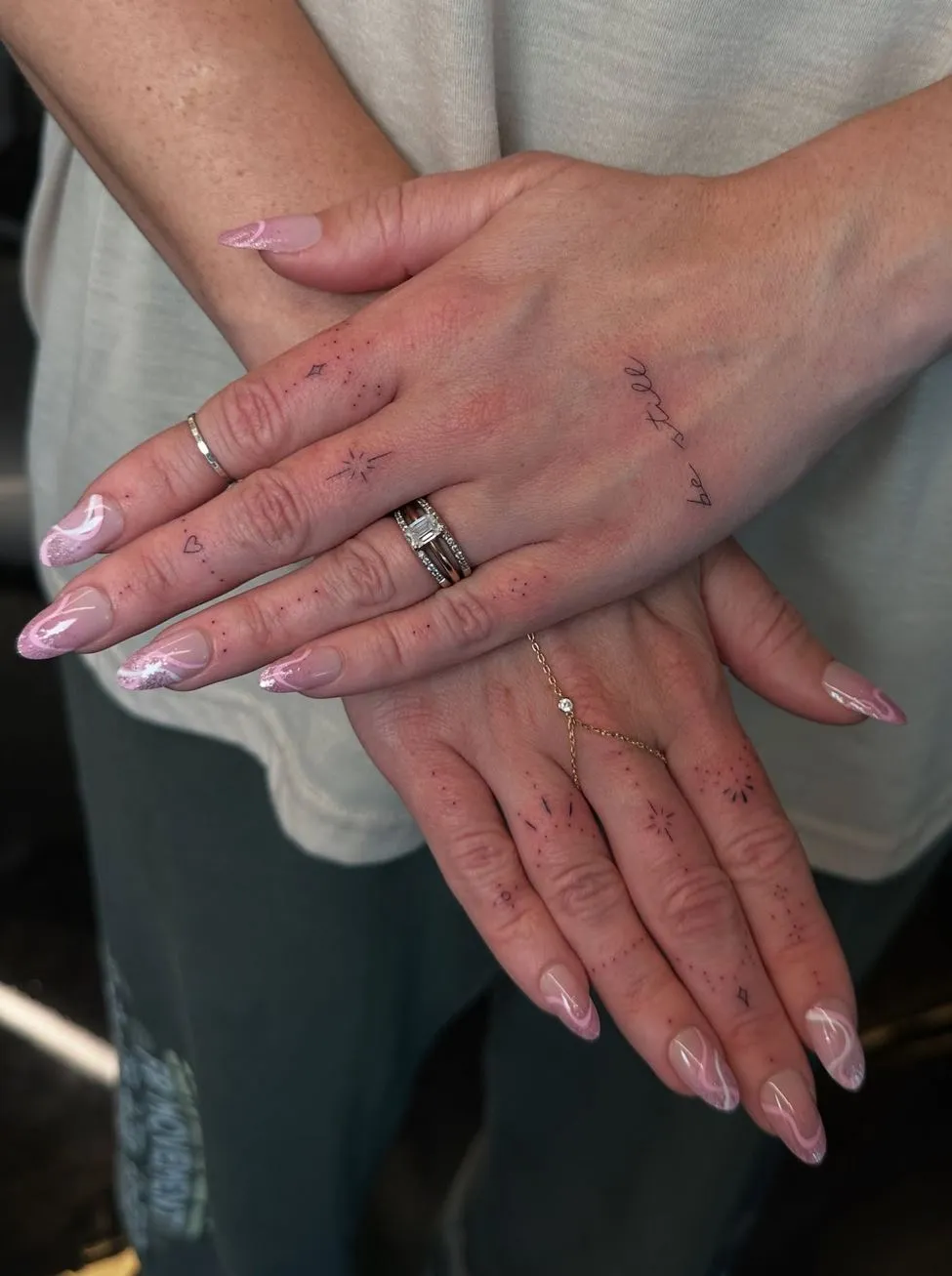
Because they’re so delicate, fine line tattoos leave less margin for error during the healing process or when it’s time for a touch-up. A micro tattoo artist needs a light hand and serious control — otherwise lines can double in thickness, shift the entire design, or make it look worse.
This becomes tricky if:
- You want to add to the design later
- You didn’t pick a reputable tattoo artist
- Your skin healed unevenly and needs reshaping
It’s why touch-ups and cover up appointments on fine line work require a different level of skill than regular tattoos or traditional styles.
Disadvantage #4: Not Every Artist Can Do Them Well
This style demands surgical precision, solid drawing skills, and expert skin knowledge. It’s not just about steady hands — it’s understanding the tattooing process: how ink settles, how color saturation changes, and how lines behave on different types of tattoos.
I’ve seen delicate tattoos blow out (that’s when ink spreads under the skin), fade after one summer, or look warped on stretchy areas like shoulders and hips. Often? It comes down to poor needle depth or lack of experience.
Questions to ask your tattoo artists:
- How many fine line pieces have you done?
- Do you have healed examples I can see?
- What aftercare instructions do you recommend for this style?
Fine Line Tattoos vs Traditional Tattoos: A Quick Comparison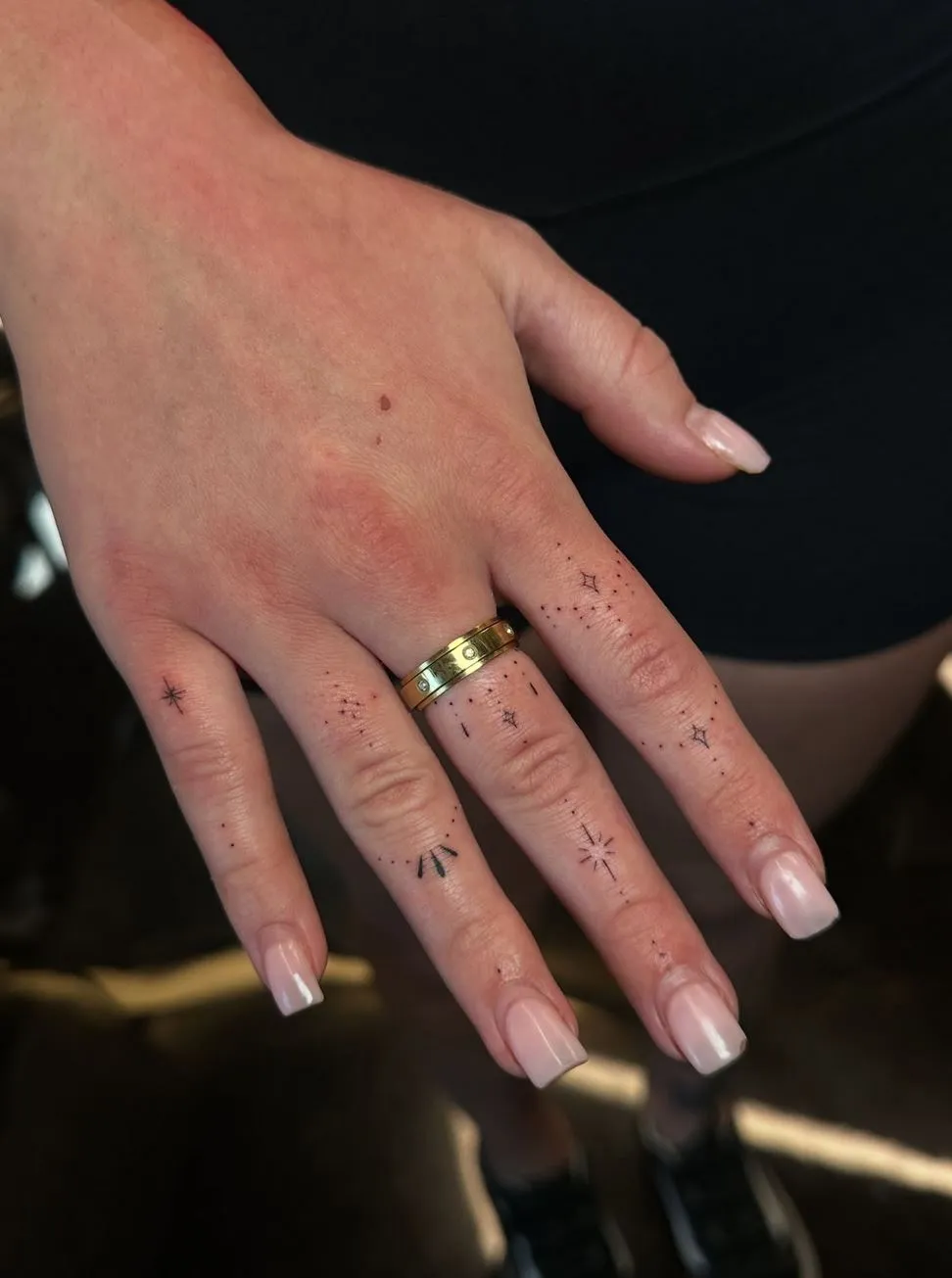
| Factor | Fine Line Tattoos | Traditional Tattoos |
|---|---|---|
| Needle type | Single or fine needle | Multiple needles |
| Line thickness | Very thin, delicate lines | Thick & bold |
| Longevity | Fades faster | Holds longer |
| Skin type sensitivity | Higher | More resilient overall |
| Aftercare demand | High | Moderate |
| Shading | Minimal shading | Varies — often heavy |
| Design style | Minimalist, delicate | Bold, colorful, larger tattoos |
2025 Tattoo Trend Data: What’s the Buzz?
- 71% of Gen Z clients request fine line or minimalist tattoo styles
- 35% of touch-up bookings in Sydney studios were for fine line corrections
- Demand for cover-up work has risen 18% among clients with faded small tattoos
- The coolest trend of the year? Botanical bouquet tattoos — often done in the fine line style
The takeaway? They’re a beauty trend, darling — but also a high-maintenance addition to your collection of tattoos.
Healing and Aftercare Tips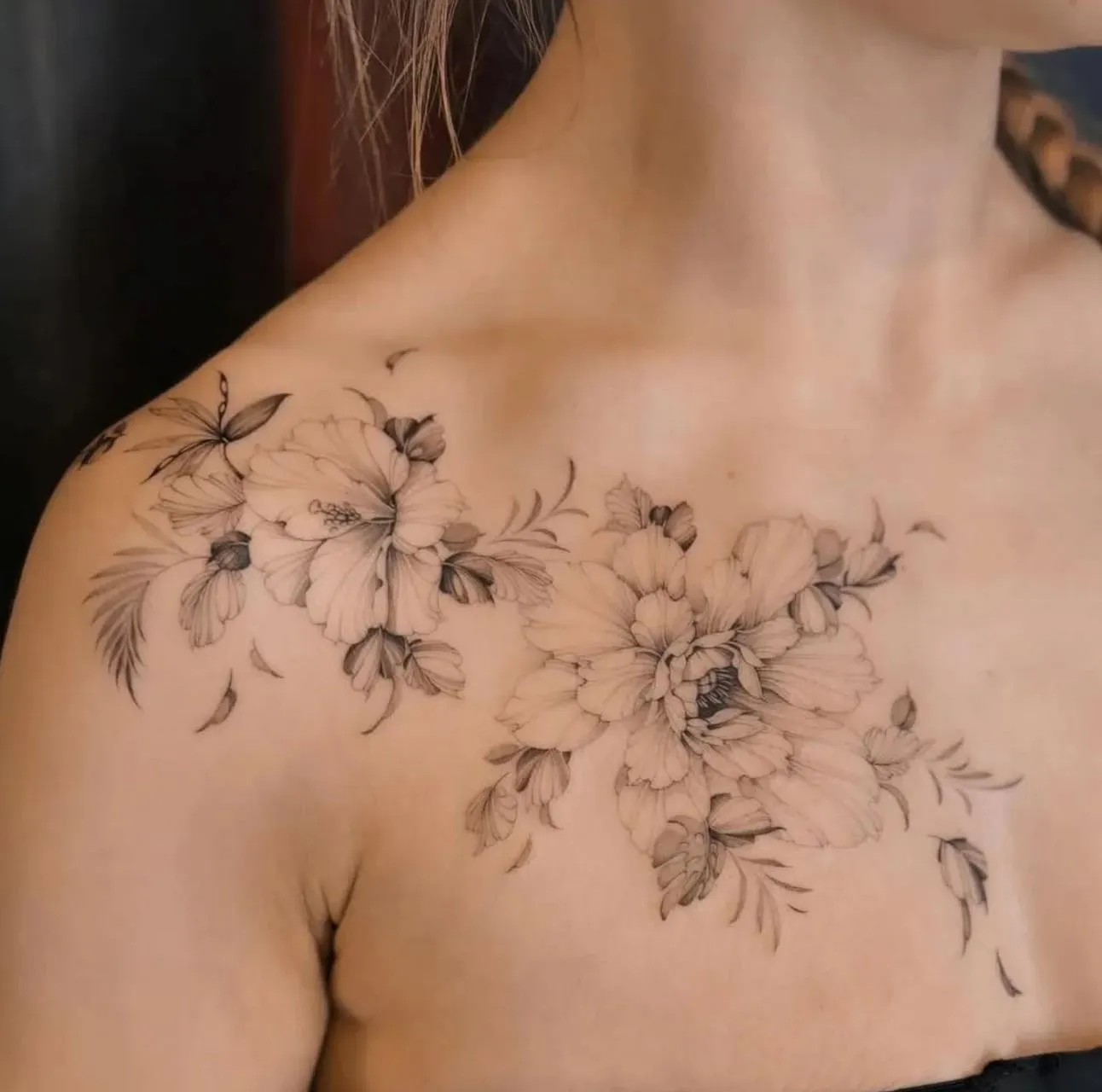
Fine line tattoos need Proper aftercare. More than you think.
What I tell clients in the tattoo studio:
- Follow your aftercare routine religiously
- Keep it moisturised (not over-saturated)
- Avoid tight clothing over the area
- Stay out of pools, beaches, and direct sun for at least 2 weeks
- Don’t exfoliate or over-wash
- Expect some fading, especially in high-friction spots
- Factor in your pain tolerance — healing may be more uncomfortable in sensitive areas
Final Thoughts
If you’re in love with the elegant design and delicate appearance — and you’re prepared for maintenance — a fine line tattoo can be an excellent option.
But if you want bold, long-term clarity, or have sensitive skin, textured skin, or a history of scarring, traditional tattoos or bold styles might be a safer bet.
Remember: tattoos are art, but also biology. Every type of tattoo has pros and common issues. Choosing the right one depends on your skin, lifestyle, and design preferences.
FAQ
Are fine line tattoos more painful?
They can be — fewer needles means more concentrated pressure. But the tattooing process is usually quicker, especially for micro tattoos or detailed pieces.
How long do fine-line tattoos last?
On average, 1–5 years before visible fading. High-friction or dry skin areas fade faster. Aged tattoos often lose their exquisite designs if not maintained.
Can they be removed easily?
Not necessarily. The shallow depth and fine pigment lines make laser removal tricky, especially with delicate designs.
Can you get a fine line tattoo on darker skin tones?
Yes, but it requires an experienced artist. Fine lines may heal inconsistently on some skin tones. A bold design may show up more clearly, depending on the entire tattoo’s layout.
Do fine line tattoos peel or scab like traditional ones?
They typically flake more than scab. But healing varies by area, design light vs. saturation, and how well you follow aftercare instructions.