
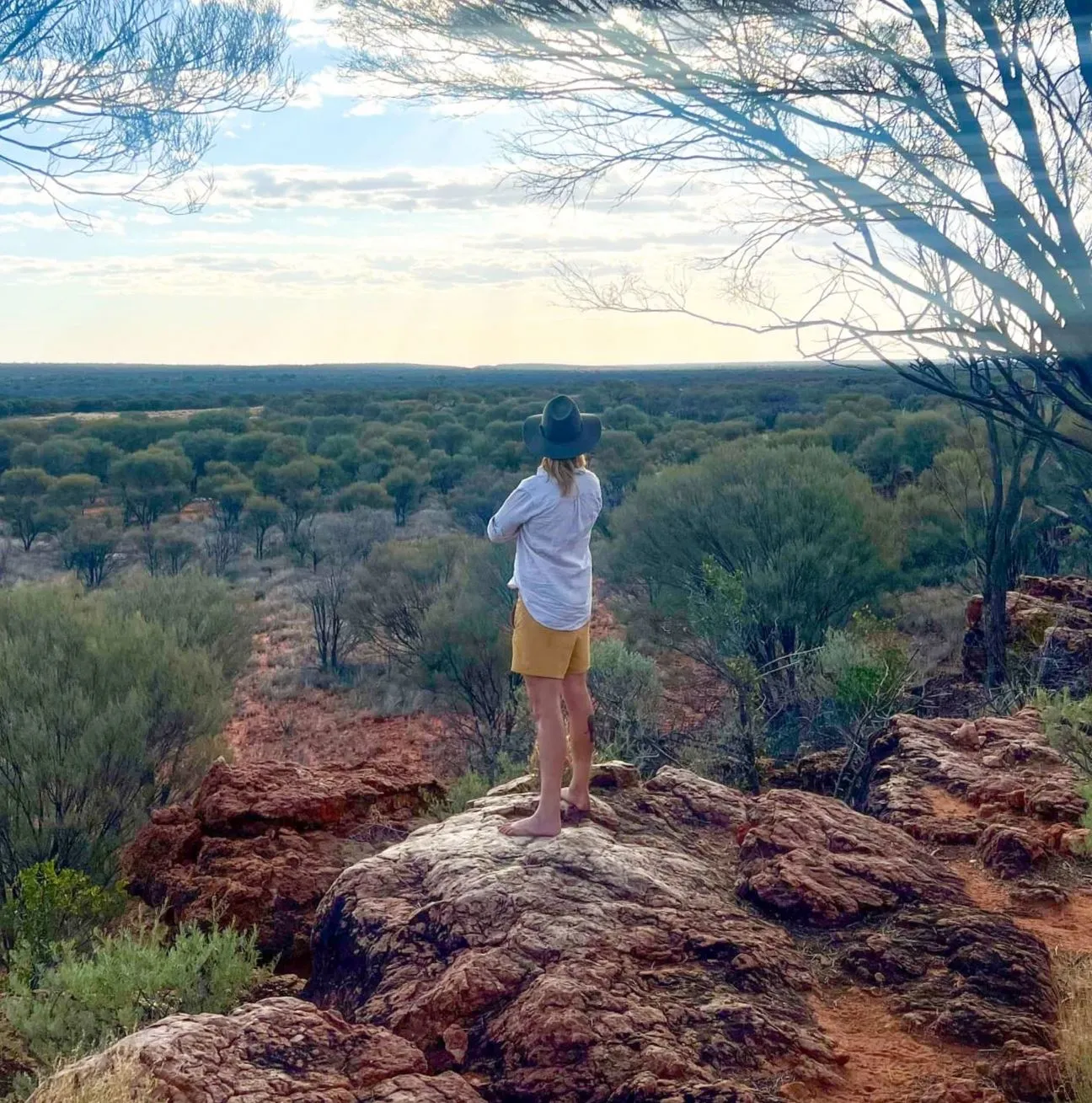
The Australian Outback is one of the most incredible places on earth. It’s vast and arid and semi-arid, rugged and beautiful, unique and full of wildlife and history. But living out here is tough and many don’t make it their home. For those who want to experience it, Australian Outback Tours is the way to do it without the commitment of permanent residency. Australian Outback Tours are the perfect way to get into the landscapes and culture of this massive place.
1. Harsh Climate

The Outback has some of the most extreme weather on earth. In summer, it’s over 40°C (104°F), and in winter, it’s cold enough to freeze. The heat, low humidity and long droughts make it hard to live comfortably or grow crops. Days without water are common and residents have to rely on rainwater tanks and boreholes for drinking water.
2. Limited Services
One of the biggest challenges of living in the Outback is the lack of basic services. Water is scarce, and healthcare, education and shops are hundreds of kilometres away. Remote communities struggle with service delivery and getting to government services is a logistical nightmare. Many outback towns have limited infrastructure, petrol stations and small shops are the only suppliers. Access to services makes life in the Outback tough.
3. Isolation and Community
The distances between towns and communities are huge and it’s isolating. Social opportunities are limited and the lack of people can be lonely. For families it makes it harder to get education for their kids or participate in social activities. Aboriginal communities, the traditional owners of the land, live in remote areas and have their own unique infrastructure and resource challenges. Outback communities are working to connect despite all this.
4. Wildlife and Environmental Hazards

The Outback has an amazing array of wildlife, some of which can be deadly. Venomous snakes, spiders and other wildlife are a risk. Bushfires, flash floods, dry river beds and dust storms are common natural hazards that residents have to deal with. The rocky plateaus and dry land can be beautiful and treacherous, you need to plan carefully to get through safely. Visitors on Australian Outback tour will learn about these environmental challenges and how residents cope with them.
5. Infrastructure and Economics
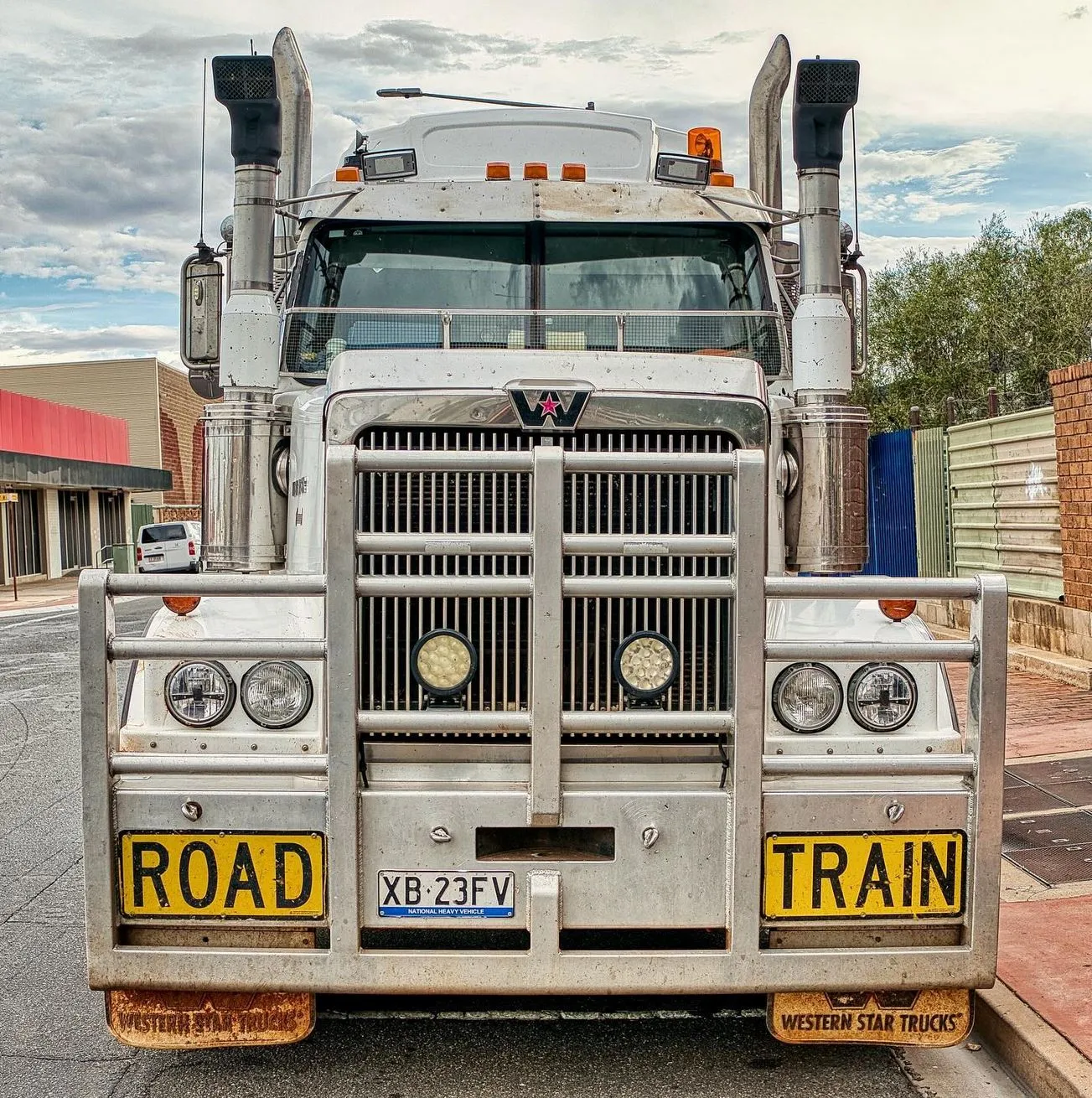
Infrastructure in the Outback is non-existent. Roads are unsealed and can be impassable in heavy rain. Electricity and internet are limited or non-existent in some areas. For those on cattle stations and pastoral leases, maintaining infrastructure is a full-time job. Economics in the Outback is all about big agriculture, mining and tourism. Farming in this environment requires resilience and ingenuity. However, some Indigenous communities and residents see a sustainable future through initiatives that balance development and conservation.
6. Cultural and Environmental Heritage

The Outback is steeped in cultural heritage, with the traditional owners, Indigenous people, playing a big part in looking after the land and its history. Aboriginal communities have a deep connection to the land which is reflected in their culture, stories and management of natural resources. National parks in the Outback showcase the amazing biodiversity and native flora of the region. Visitors can get a deeper understanding of this heritage through Australian Outback tours which often feature the Indigenous population.
7. A Brighter Future
Despite the difficulties the Outback has a lot to offer those who are willing to make it work. Improving access to services and service delivery is key to a positive future for Outback residents. Sustainable practices like using native plants in agriculture and balancing intensive and extensive agriculture will help us adapt to the harsh climate. Programs for outback communities and cultural heritage will be the key to a brighter future.
Conclusion
The Australian Outback is stunning and a way of life like no other. But it’s not without its challenges. The climate, isolation, limited infrastructure and environmental hazards make it a tough place to live. But for those who are up for the adventure and resilience required to live in this environment the Outback offers experiences like no other and a deep connection to Australia’s natural and cultural heritage. Visitors can also get out and about with Australian Outback tours to see the region’s beauty, learn about its history and culture and see the communities working towards a sustainable future.
FAQ
How many people live in the Australian Outback?
Less than 1% of Australia’s population lives in the Outback. Most people live in small towns or remote cattle stations.
How do you get healthcare in the Outback?
Healthcare is mostly provided through services like the Royal Flying Doctor Service and telehealth.
What industries support life in the Outback?
Mining, cattle, agriculture and tourism are the main industries that support the Outback economy. These industries can be tough and require special skills. Australian Outback Tours also contributes to the tourism industry.
Is the Outback safe to visit?
Yes, the Outback is safe to visit if you take the necessary precautions – carry enough water, tell someone where you’re going and be prepared for emergencies. Joining Australian Outback Tours makes it even safer and more convenient.
How do residents cope with the heat?
Residents adapt by building homes with insulation, using air conditioning and adjusting their daily routine to avoid the hottest part of the day. Staying hydrated and wearing protective clothing is also a must.